
“Momentary Fuji”
Riding back and forth from Osaka to Tokyo three times in one week, one would think there would be numerous opportunities to …
 Shimizu Woodcuts
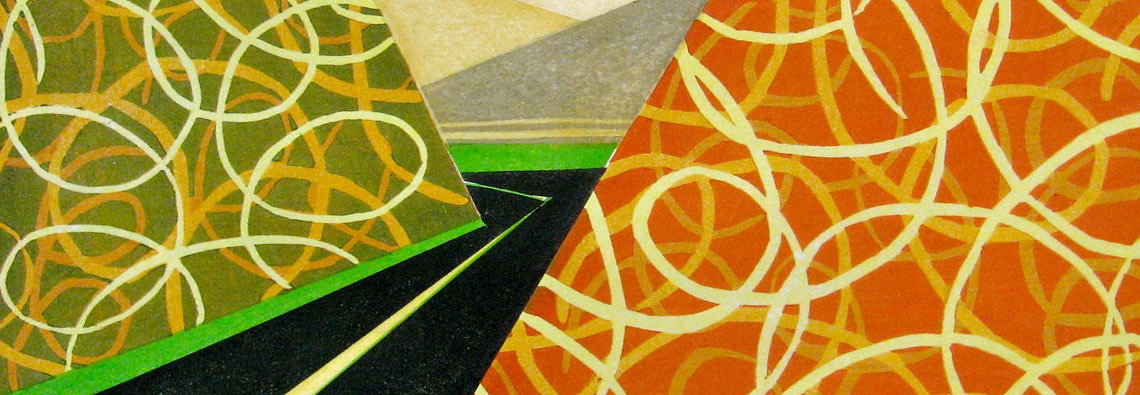
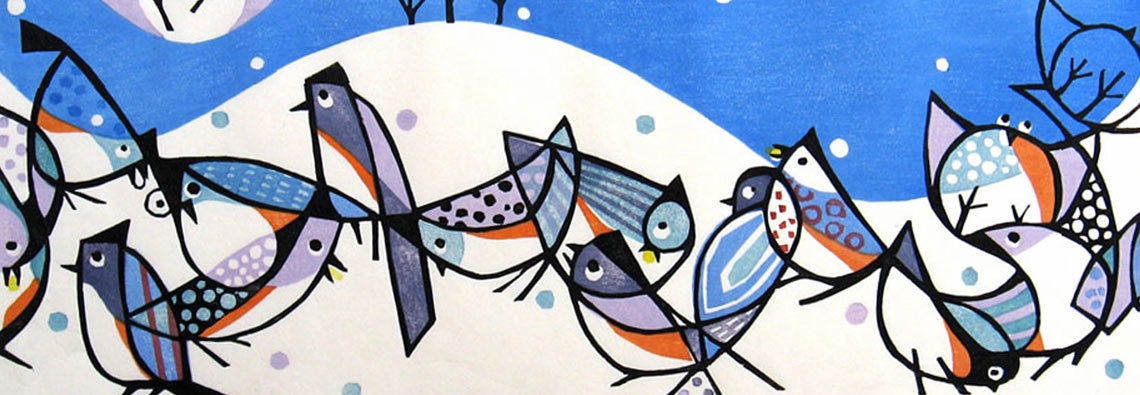
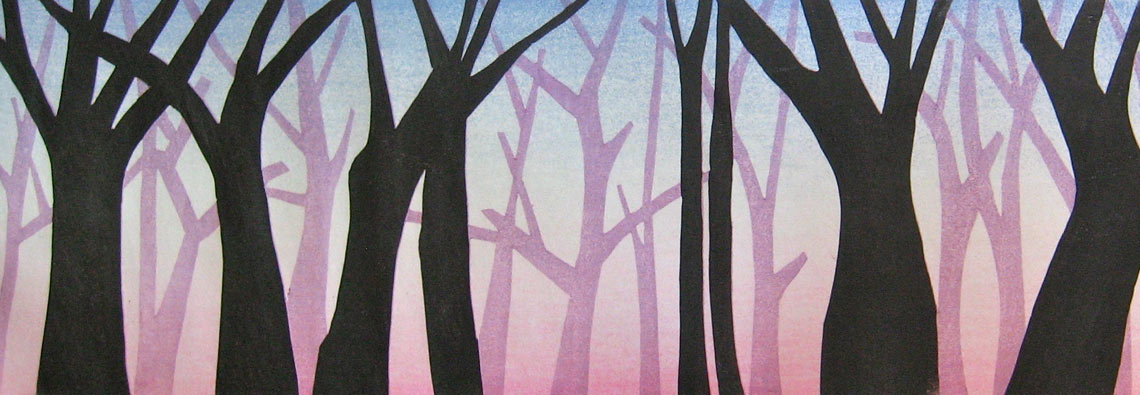
Riding back and forth from Osaka to Tokyo three times in one week, one would think there would be numerous opportunities to …
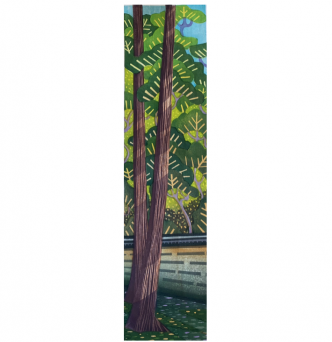
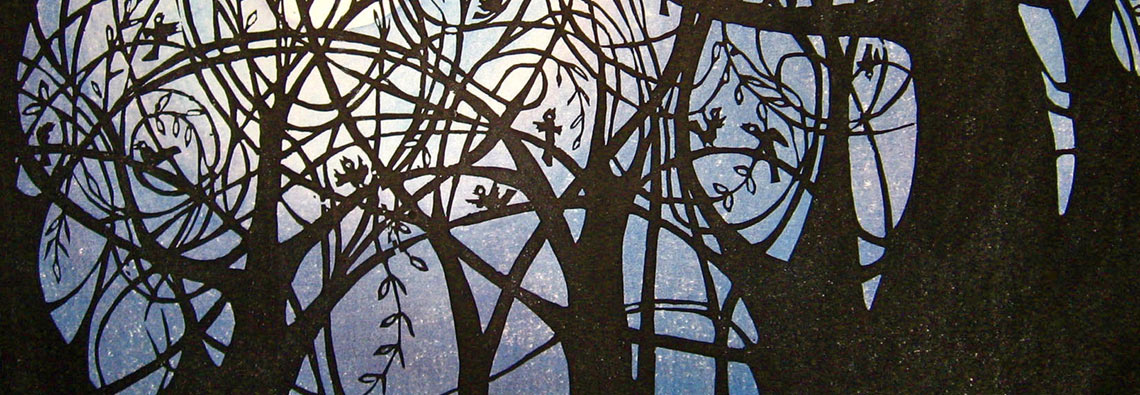
It began with a photo taken at Toshodai-ji Temple in Nara, Japan, in April 2025. The background trees are my interpretation of …
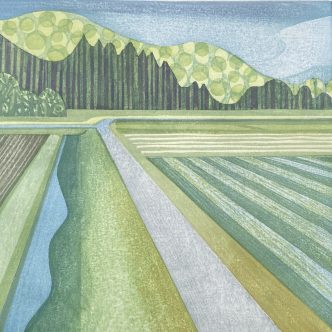
Seen from the Shinkansen window, an irrigation canal somewhere in Shiga Prefecture, Japan, in late April. Actual Size: 12″ x 12″Blocks: Shina …

This narrow print was made in celebration of the 100th Print Exchange of the Baren Forum, an online community of woodblock printmakers. …

Actual Size: 12″ x 12″Blocks: Shina Plywood and American Pine VeneerInk: Sennelier Powdered Pigment and Rice StarchPaper: Yamaki Hosho and Kihada Edition of …

“Love that is absoluteSurprise of each momentJoy that cannot be diminishedSadness which cannot be dissipated … Such is Hanga!” Shikou Munakata Actual …
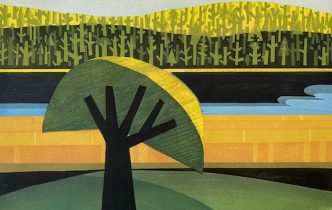
The eighth and final print in the “Road Trip” series is the view from my studio window. Arriving home in Connecticut after …
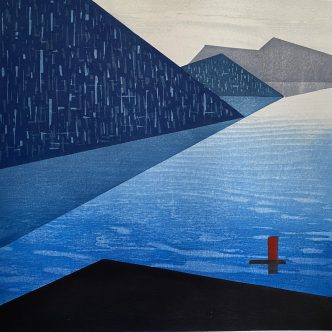
In celebration of my mother, Pauline Kagarise (1919 – 2015), who gave me the memory of the song, “Red Sails in the …
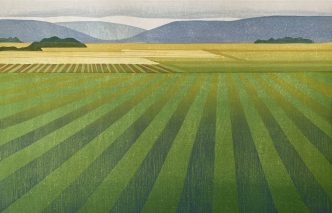
The seventh, and final (maybe) print in the “Road Trip” series, is from Pennsylvania. The last night of our road trip, we …
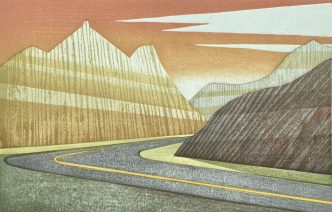
“Good Badlands” is the sixth image in my “ROAD TRIP” series, remembering the scenes from Connecticut to Montana and back. Our visit …
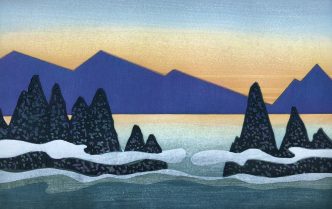
“Morning Blanket” is the fifth image in my “ROAD TRIP” series, remembering the scenes from Connecticut to Montana and back. The image …
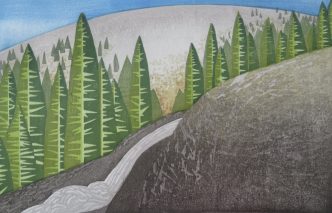
This woodblock print is the fourth image in my “ROAD TRIP” series, remembering the scenes from Connecticut to Montana and back. The …
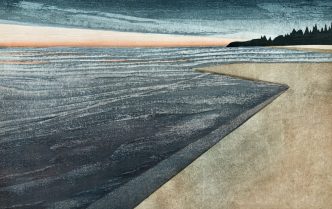
This woodblock print is the third image in my “ROAD TRIP” series, remembering the scenes from Connecticut to Montana and back. Actual …
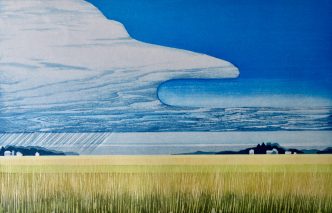
This woodblock print is the second image in my “ROAD TRIP” series, remembering the scenes from Connecticut to Montana and back. Actual …
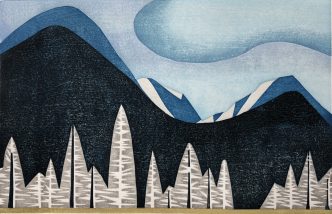
In the autumn of 2022, my husband and I drove from Connecticut to Montana to visit and hike with family. Inspired by …
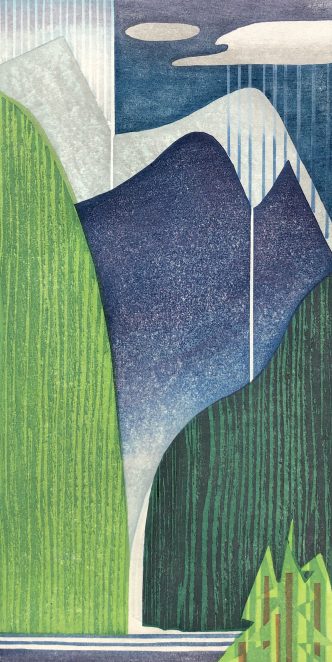
Actual Size: 7″ x 14″Blocks: Shina Plywood and Douglas Fir VeneerInk: Sennelier Powdered Pigment and Rice StarchPaper: Yamaguchi Hosho Edition of …
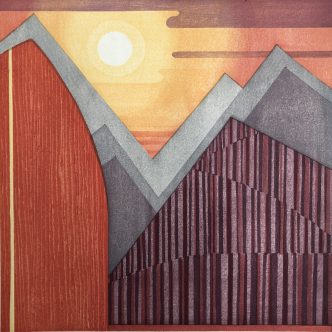
When working on my semi-abstract landscapes, it feels like I’m moving through the scene as it appears on the paper. I jump …
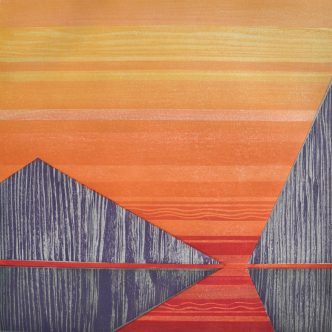
A red sun falls through folded clouds. Touching earth, it flares. Actual Size: 12″ x 12″Blocks: Shina Plywood and American Pine VeneerInk: …
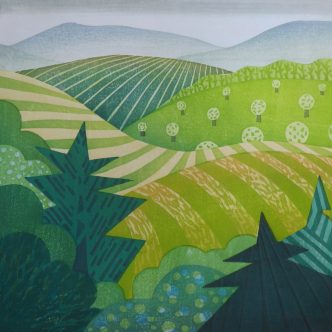
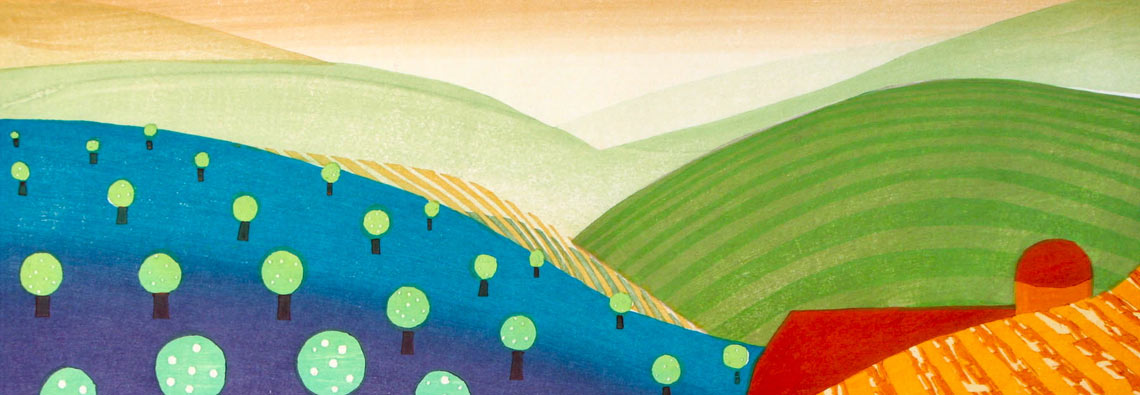
“Grandma’s Farm” was done after finishing “Papa’s Farm”. I tried to link the two images by having the tops of some of …
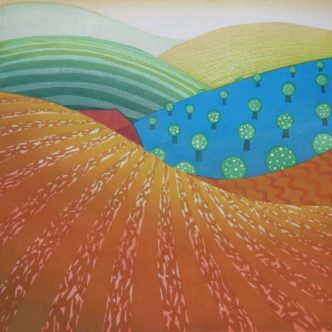
“Papa’s Farm” was made with happy memories of long-ago weekly visits to my grandfather’s farm in Bedford County, Pennsylvania. Actual Size: 12″ …
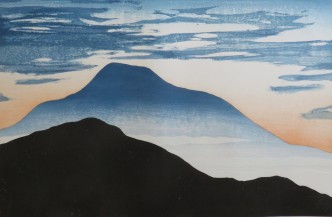
The mountain (yama) in this print originated from a photo I took of Mauna Kea on the Big Island of Hawaii. …
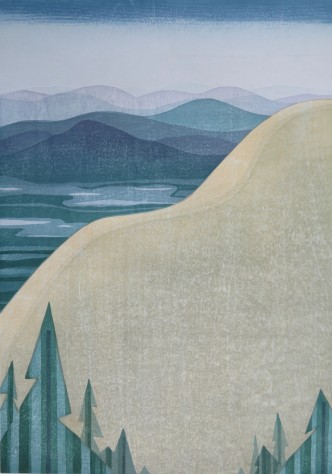
A few days after our hiker- son finished his thru-hike of the Appalachian Trail, I asked him to climb New Hampshire’s Mt …